
The Art of Looking Again: Finding Your Way into Abstraction
· DecorumBY Journal
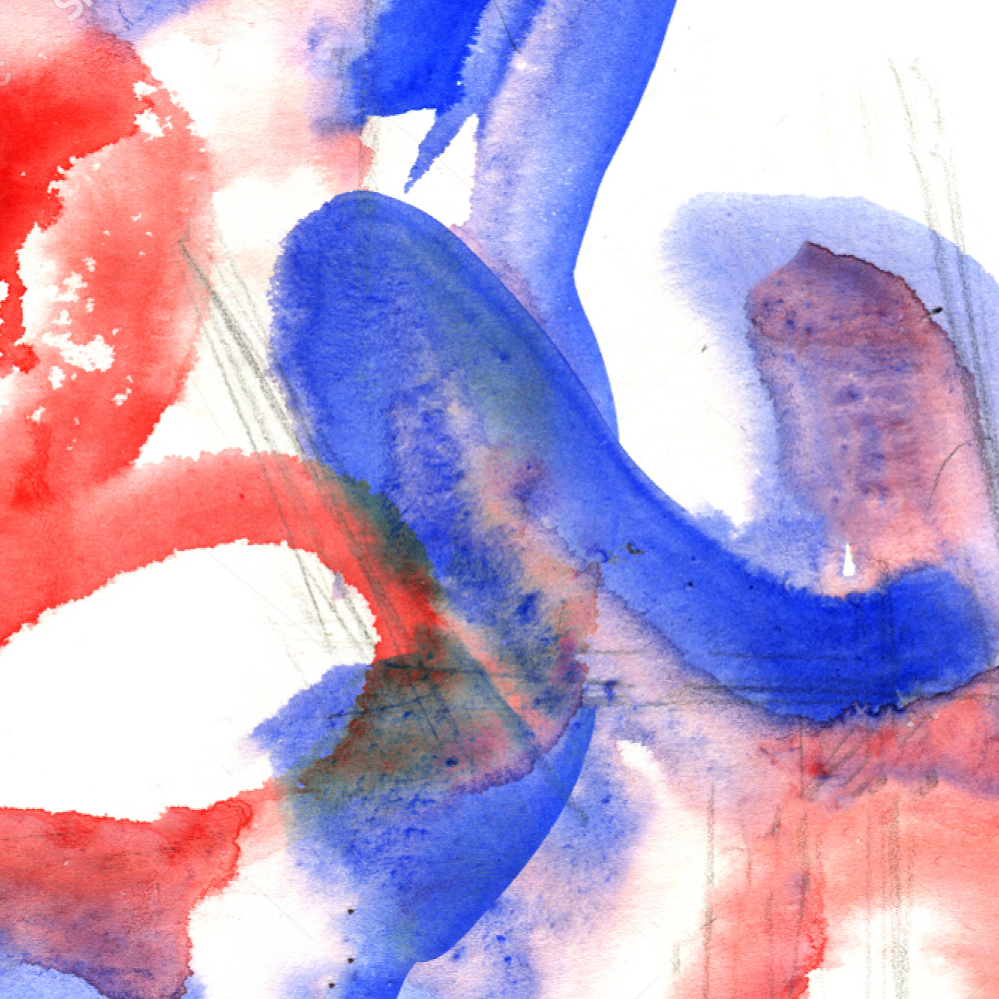
An abstract work can be welcoming and elusive at the same time. You may be drawn to it before you know why. That first response is a starting point worth keeping.
In a home, abstraction offers something unusually open-ended: an image whose relationship with the room can evolve as the light shifts and your attention changes. You do not have to turn every shape into an identifiable object to spend time with it.
Abstraction has more than one language
The National Gallery of Australia describes abstraction as encompassing both transformed recognizable subjects and compositions without an external subject. A landscape may be reduced to bands of color; another work may be concerned with the relationships between marks themselves. The term covers more than one approach.
That breadth is useful when choosing art. A geometric composition can attract you for its structure. A gestural image may hold your attention through movement. A largely tonal work might reward small shifts between light and dark. None of these possibilities requires the same kind of looking.
Start with a description
Before asking what a piece means, describe a few things you can see. Where does the strongest contrast occur? Are the edges sharp or diffuse? Does the eye circle, sweep sideways, or settle in one place? Leave room for the quieter areas as well as the most insistent marks.
MoMA’s Slow Looking guidance encourages visitors to give a work time, examine individual visual elements, and change viewing position. At home, try the same patient attention: view a piece from the doorway, then sit with it from the place where you usually read or talk.
Let a personal reading stay personal
A blue sweep may remind you of water; a dark shape might suggest a figure. Those associations can make a work meaningful to you without establishing what the artist intended. If an artist’s statement or reliable background information is available, read it after your first encounter and notice what it adds.
With Amalgam, begin with the meeting of cool and warm passages. With Emerald Flame, consider the way the image directs your eye. Their titles offer an entry, but they need not close the conversation. Your response can also change over time.
Make space for the work in the room
Choose abstraction for the experience of looking at it as well as its palette. A work that merely repeats the sofa color may be easy to place, but a more surprising relationship can make the space feel personal. Test its scale against the wall and its visual activity against the furnishings.
Give the image enough clear space for its edges to register. Consider whether it will be seen mostly from across the room or from a nearby chair. An intricate composition and a broad, simple gesture may ask for different settings.
Then return to it without setting a task. What do you notice today that escaped you yesterday? That capacity to keep revealing something is one of the pleasures of living with abstract art.
From the DecorumBY collection
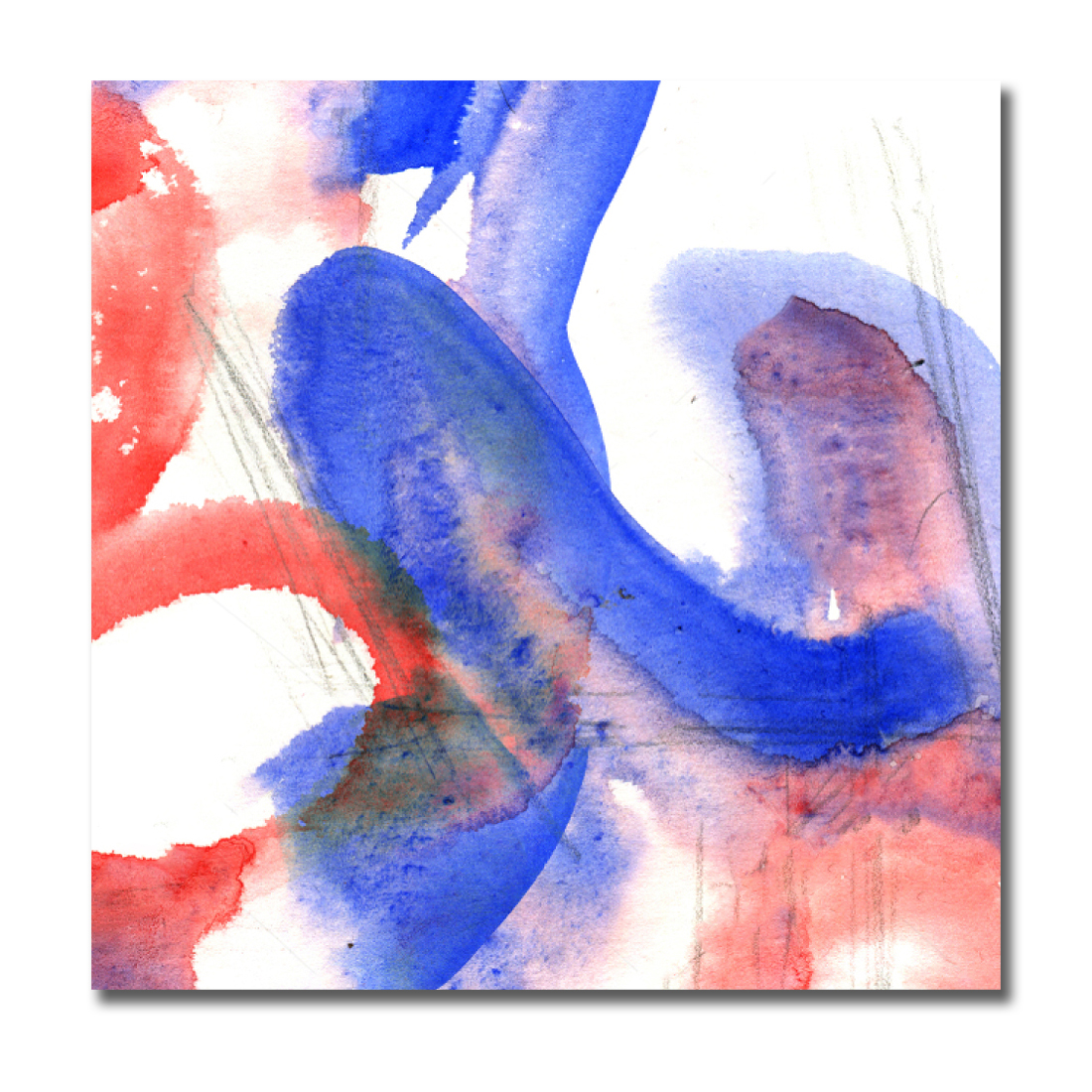
In Amalgam, follow the overlap of warm and cool passages. Notice which area holds your attention before trying to name what it resembles.

Emerald Flame offers a route through curves and changing light. “Flame” is a suggestive title; your first impression can still be different.

Fog invites a slower reading of tonal transitions. Try viewing it from across a room and then closer, noticing how the composition changes.